
Stargazing is a hobby that requires patience, curiosity, and the right equipment. This is where the best image stabilized binoculars for stargazing come in handy.
While the naked eye can reveal the beauty of the night sky, image stabilized binoculars elevate the experience, bringing distant stars, planets, and celestial events into sharp focus. In this buying guide, we’ll explore the top models and key features to consider to help you choose the best image stabilized binoculars for stargazing.
What are Image Stabilized Binoculars?
Image stabilized binoculars are a type of binoculars designed to reduce the effects of hand shake and other small movements, providing a steady, clear view even at high magnifications. Unlike traditional binoculars, they counteract any motion produced, allowing you to enjoy crisp, stable images without needing a tripod. The stabilization also makes high-magnification viewing much more comfortable and effective.
Why Image Stabilized Binoculars for Star Gazing
Using image stabilized binoculars for stargazing offers several advantages that include:
- Steady Views at High Magnification. When observing distant celestial objects like planets, star clusters, or the Moon, even the tiniest hand movement can cause traditional binoculars to shake, making the image blurry. Image stabilization keeps the view steady, so details remain sharp.
- Less Eye Strain and Fatigue. Holding binoculars for long periods tires your hands and eyes, especially if the image keeps moving. Stabilized binoculars reduce this effort, allowing for longer, more comfortable observing sessions.
- Improved Tracking of Moving Objects. Satellites, the International Space Station, or meteor showers move quickly across the sky. The best image stabilized binoculars for stargazing make it easier to follow these fast-moving objects without losing focus.
- No Need for a Tripod. While tripods provide stability, they can be bulky and inconvenient for quick stargazing sessions. Image stabilized binoculars give you steady views while holding them by hand.
- Enhanced Detail and Clarity. Furthermore, fine features like lunar craters, Jupiter’s moons, or the rings of Saturn become easier to see when the image remains steady, making stargazing much more rewarding.
Best Taurus GX2 Red Dot Sights
Best Image Stabilized Binoculars for Stargazing
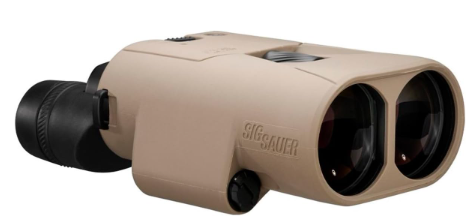
1)Sig Sauer ZULU6-HDX 18x50mm Schmidt-Pechan Prism PRO Image Stabilized Binocular
The Sig Sauer ZULU6‑HDX 18x50mm are the best image stabilized binoculars for stargazing.
Made with an impressive 18x magnification and large 50mm objective lenses, these binoculars deliver bright, detailed images even when observing distant subjects such as wildlife, landscapes, or celestial objects.
Furthermore, the built‑in image stabilization system is one of its most notable features, helping reduce hand tremors that typically occur at higher magnifications. This stabilization allows users to view fine details without relying on a tripod, while the Schmidt‑Pechan prism design contributes to a more compact body while maintaining excellent light transmission and clarity.
In addition to powerful optics, the binoculars are built with durability and user comfort in mind. The HDX optical system enhances image sharpness, color accuracy, and contrast, producing crisp views across the entire field of view.
Moreover, the rugged construction is designed to withstand outdoor use, while the ergonomic body ensures a comfortable grip during extended periods of glassing. These binoculars also feature twist‑up eyecups and a generous eye relief suitable for both eyeglass wearers and non‑wearers.
Pros
- Powerful 18x magnification for long‑distance observation
- Large 50mm objective lenses for bright, detailed images
- HDX optical system provides sharpness and strong contrast
- Compact Schmidt‑Pechan prism design
- Comfortable ergonomics with a secure grip
- Suitable for handheld use even at high magnification
Cons
- Heavier than standard binoculars due to the stabilization system
- Higher price point compared to non‑stabilized binoculars
2)Canon 4625A002 15×50 is Image Stabilized Binocular
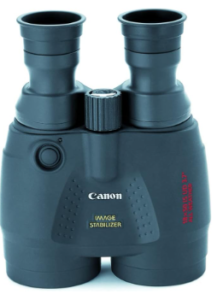
The Canon 4625A002 15×50 IS Image Stabilized Binoculars are a powerhouse for astronomers and serious outdoor enthusiasts who need clear and steady viewing at long distances.
With a 15x magnification paired with 50mm objective lenses, these binoculars deliver bright, sharp images even in low-light conditions such as dawn or dusk.
Another standout feature is Canon’s advanced image stabilization technology. It effectively compensates for hand shake, making it surprisingly easy to maintain a steady view at such high magnification without the need for a tripod.
Build quality is another area where these binoculars shine. They are solid and well-balanced, with ergonomic grips that make extended use comfortable. Furthermore, the focus and zoom mechanisms operate smoothly, allowing precise adjustments without disrupting the view.
Above all, the lenses are coated to reduce glare and enhance contrast, producing vivid, true-to-life colors.
Pros
- Powerful 15x magnification for detailed long-distance viewing
- 50mm lenses provide bright, clear images in low light
- Highly effective image stabilization
- High-quality, durable construction
- Smooth focus and zoom mechanisms
- Coated lenses enhance color and contrast
Cons
- Heavier than standard binoculars
3)Kite Optics APC Stabilized 16×42 Binoculars
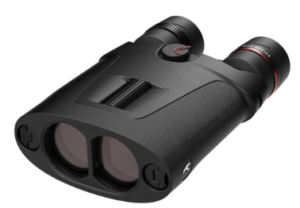
The Kite Optics APC Stabilized 16×42 Binoculars deliver an impressive combination of power and stability for stargazing and long-range outdoor activities.
With a 16x magnification and 42mm objective lenses, these binoculars offer bright, sharp, and detailed images even at a distance. Moreover, the image stabilization system minimizes hand shake and ensures a steady view, even during extended use.
Regarding optical performance, the optics are well-coated to reduce glare and enhance contrast, allowing for clear viewing in a variety of lighting conditions.
Furthermore, the design is ergonomic, with textured grips and a balanced weight distribution, making them comfortable for prolonged use in the field.
Well, that’s not all. The Kite Optics APC Stabilized 16×42 Binoculars are built to withstand rugged outdoor conditions. The housing is waterproof and fog-resistant, which protects the optics in wet or humid environments. The focus mechanism is also smooth and precise, allowing quick adjustments without losing clarity.
Pros
- Powerful 16x magnification with sharp, bright images
- Fully waterproof and fog-resistant design
- Smooth and precise focusing mechanism
- Comfortable and ergonomic design for extended use
Cons
- Higher price point compared to standard binoculars
- Slight learning curve for optimal use of stabilization
4)Fujinon Techno-Stabi TS-X 14×40 Image Stabilization Binocular
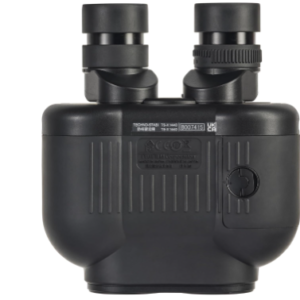
As one of the best image stabilized binoculars for stargazing, the Fujinon Techno-Stabi TS-X 14×40 excel in functionality and ease of use.
Its most notable feature is the advanced image stabilization system. This feature virtually eliminates hand-shake even at the full 14x magnification, allowing for sharp, steady views over extended periods.
Furthermore, the optics deliver bright, crisp images with impressive color fidelity and contrast, making distant objects appear clear and lifelike.
Despite its high-tech features, the binoculars remain relatively compact and comfortable to hold, with ergonomically positioned controls for intuitive operation.
Moreover, the robust construction feels solid and durable, and the water- and fog-resistant design ensures reliable performance in varying weather conditions.
In practical use, the Techno-Stabi excels for long-range viewing, including wildlife observation and sports events. The wide 40mm objective lenses provide ample light-gathering ability, resulting in clear images even during dawn or dusk.
To top it all off, the focus adjustments are smooth and precise, and the binoculars provide a comfortable eye relief, making extended viewing easy on the eyes.
Pros
- Advanced image stabilization eliminates hand shake
- Bright, high-contrast optics with excellent color fidelity
- Durable, water- and fog-resistant construction
- Comfortable ergonomic design and smooth focus
- Excellent performance at long ranges and low light
Cons
- Higher price point compared to non-stabilized models
5)Canon 18×50 Image Stabilization All-Weather Binoculars
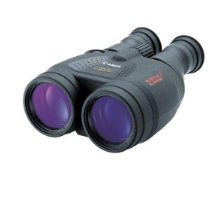
The Canon 18×50 Image Stabilization All-Weather Binoculars are our last recommendation for the best image stabilized binoculars for stargazing.
These binoculars feature a high 18x magnification paired with large 50mm objective lenses, delivering bright and sharp images even in low-light situations like dawn or dusk.
The advanced image stabilization technology reduces hand shake, allowing for steady viewing at high magnifications without the need for a tripod.
Furthermore, the all-weather design ensures that the binoculars perform well in rain, fog, or dusty environments, making them a reliable companion for wildlife observation, hunting, or long-distance viewing, not just stargazing.
Comfort and usability are other strengths of these binoculars. The ergonomic design provides a secure and balanced grip, and the controls for focus and stabilization are intuitive, allowing users to make quick adjustments in the field.
Moreover, the optical coatings on the lenses enhance contrast and reduce glare, resulting in crisp, color-accurate images.
Pros
- Exceptional image stabilization
- Bright, sharp images even in low light
- Durable all-weather construction for rain, fog, and dust
- High 18x magnification reveals fine details at long distances
- Comfortable ergonomic design for extended use
Cons
- Heavier and bulkier than standard binoculars
- Premium price for casual users
Factors to Consider when Choosing the Best Image Stabilized Binoculars for Stargazing
Choosing the best image stabilized binoculars for stargazing requires careful consideration of these key factors to ensure optimal viewing experiences.
Magnification and Objective Lens Size
First, magnification and objective lens size are critical. Higher magnification allows you to see distant celestial objects in more detail, but too much magnification can make it difficult to hold the binoculars steady, even with stabilization. A larger objective lens collects more light, which is essential for seeing faint stars and deep-sky objects, especially under low-light conditions.
Image Stabilization Mechanism
Second, the quality of the image stabilization mechanism itself is vital. A smooth, reliable stabilization system reduces hand tremors and shakes, providing a steady view of stars and planets.
Optical Quality
Third, optical quality, including lens coatings and prisms, directly impacts clarity, brightness, and color accuracy. The best image stabilized binoculars for stargazing should have fully multi-coated lenses and high-quality prisms that make celestial objects appear sharper and more vibrant.
Field of View
Next, the field of view plays an important role in stargazing. A wider field of view allows you to see more of the night sky at once, which is particularly helpful for locating constellations or scanning for meteor showers.
Eye Relief
Furthermore, eye relief and comfort are crucial for long viewing sessions. Binoculars with adjustable eyecups and sufficient eye relief ensure that users who wear glasses or have sensitive eyes can observe comfortably.
Weight and Ergonomics
Sixth, weight and ergonomics matter because stargazing often involves holding binoculars for extended periods. Lightweight, well-balanced designs reduce fatigue and make it easier to track objects in the sky.
Durability
Moreover, durability and weather resistance are essential, especially for outdoor night observations. The best image stabilized binoculars for stargazing should have robust construction to withstand abuse and repeated use. Additionally, the binoculars should be waterproof and fog-proof to withstand dew, humidity, and accidental splashes, prolonging their lifespan.
Budget
Finally, budget and brand reputation should be considered. While high-end image stabilized binoculars offer superior performance, there are also reliable mid-range options that deliver good stabilization and optics at a more affordable price. Researching customer reviews and expert opinions will help you identify models that provide the best combination of quality, performance, and value for stargazing enthusiasts.
Tips for Using Image Stabilized Binoculars for Stargazing
- Let the Stabilization Kick In. Hold the binoculars steady for a few seconds to allow the stabilization system to engage fully before focusing on celestial objects.
- Use a Comfortable Grip. Hold the binoculars with both hands and keep your elbows close to your body to minimize fatigue and maximize steadiness.
- Adjust Eye Relief and Eyecups. If you wear glasses, fold down the eyecups. Otherwise, extend them for proper eye relief to reduce strain and get a full field of view.
- Start with a Wide Field of View. Begin by locating constellations or bright objects using a wide field of view, then increase magnification for details on planets or nebulae.
- Focus Slowly and Precisely. Use the central focusing wheel gradually to sharpen the image. Fine adjustments are key for viewing faint stars and deep-sky objects.
- Keep Lenses Clean. Use a soft microfiber cloth or lens cleaning solution to remove dust or fingerprints without scratching the optics.
- Avoid Excessive Zoom. Higher magnification makes stabilization work harder and can amplify tremors. Stick to magnification levels that your binoculars stabilize effectively.
- Use a Tripod for Long Sessions. The best image stabilized binoculars for stargazing benefit from a tripod during extended viewing or when observing very faint objects to reduce hand fatigue completely.
- Choose Dark Observation Spots. Minimize light pollution by finding a dark location. Stabilization helps with clarity, but dark skies make stars and nebulae much more visible.
- Store Properly. After use, keep your binoculars in a protective case and store them a dry place to prevent moisture damage or lens fogging.
FAQs
- What magnification is ideal for stargazing binoculars?
For stargazing, binoculars with 10x to 15x magnification are generally ideal. Higher magnifications offer more detail but may require stronger stabilization to avoid shakiness.
- Do I really need image stabilization for stargazing?
Yes, you do. Even slight hand tremors are amplified at higher magnifications. Image stabilization keeps stars, planets, and other celestial objects steady, making viewing more comfortable and detailed.
- Can I use binoculars for both stargazing and daytime use?
Absolutely. Many image stabilized binoculars are versatile, providing sharp, steady views for wildlife watching, boating, or sports during the day, in addition to night sky observations.
Parting Shots
Investing in the best image stabilized binoculars for stargazing will transform your night sky experience, making distant stars, planets, and galaxies appear crisp and steady. Whether you are a beginner exploring constellations or an enthusiast tracking planets and deep-sky objects, look at the features each binocular brings to the table and settle for a model that will make your nights under the stars more vivid, precise, and unforgettable.